




A small chip or crack in your windshield might seem like a minor inconvenience, but understanding how quickly it can spread is crucial for your safety and wallet. The speed at which a windshield crack spreads depends on multiple factors, and knowing these can help you make informed decisions about repair or replacement.
Understanding Windshield Crack Propagation
Windshield cracks don’t spread at a uniform rate. The propagation speed varies dramatically based on environmental conditions, the type of damage, and how you use your vehicle. A crack that seems stable today could suddenly expand across your entire windshield tomorrow.
Factors That Influence Crack Spreading Speed

Temperature Fluctuations
Temperature changes are the primary culprit behind rapid crack expansion. When glass heats up, it expands; when it cools down, it contracts. This constant expansion and contraction creates stress on the damaged area, causing cracks to grow.
- Extreme heat: On hot summer days, your windshield can reach temperatures exceeding 150°F (65°C). This thermal stress can cause a small crack to spread several inches within hours.
- Cold weather: Freezing temperatures make glass more brittle and susceptible to cracking. A sudden cold snap can extend a crack by 1-3 inches overnight.
- Rapid temperature changes: Using your defroster on a cold windshield or blasting air conditioning on a hot one creates thermal shock, potentially causing immediate crack expansion.
Driving Conditions and Road Vibrations
Every bump, pothole, and rough road surface sends vibrations through your vehicle’s frame directly to the windshield. These constant micro-stresses work on the damaged area like a slow-motion hammer.
- Highway driving: High speeds create more wind pressure and vibration, accelerating crack growth.
- Rough terrain: Off-road driving or poorly maintained roads can cause a crack to spread 2-4 inches in a single trip.
- Door slamming: The pressure wave from slamming car doors can extend existing cracks.
Moisture and Humidity

Water is glass’s silent enemy. When moisture seeps into a crack, it can:
- Freeze and expand in cold weather, forcing the crack wider
- Create pressure that pushes the crack further
- Weaken the laminate layer between glass sheets
- Accelerate corrosion of the windshield’s edges
Crack Location and Type
Not all cracks are created equal. The location and type significantly affect spreading speed:
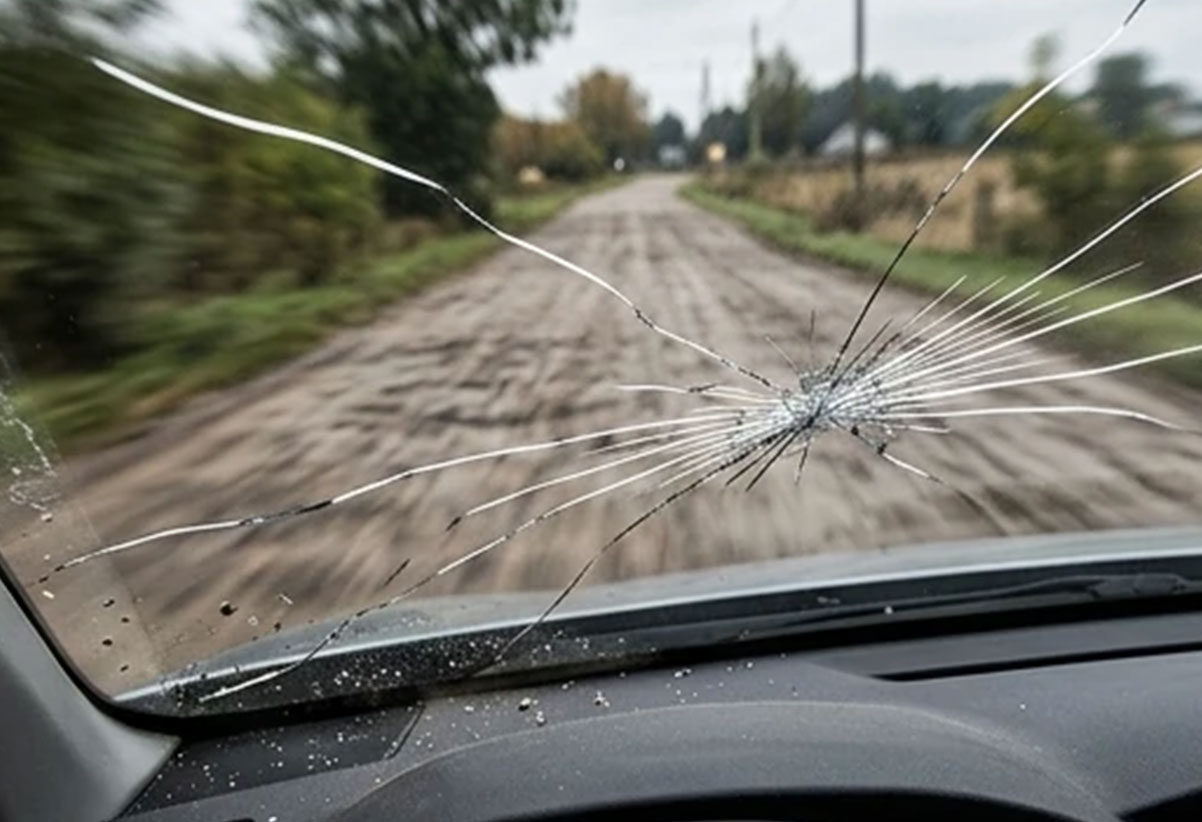
- Edge cracks: Cracks starting within 2 inches of the windshield edge spread fastest, often extending across the entire windshield within 24-48 hours.
- Stress cracks: These typically start at the edge and can grow 6-12 inches per day without any additional impact.
- Bull’s eye or star breaks: These circular cracks spread more slowly but can suddenly branch out in multiple directions.
- Combination breaks: When multiple crack types intersect, spreading accelerates unpredictably.
Typical Crack Spreading Timelines
While every situation is unique, here are general timelines for crack propagation:
Immediate Spreading (Within Hours)
For consultation and appointment booking, please contact:
- Cracks exposed to extreme temperature changes
- Edge cracks under stress
- Damage occurring during freezing conditions
- Cracks subjected to direct impact or pressure
Short-Term Spreading (1-7 Days)
- Small chips developing into cracks
- Cracks exposed to normal driving conditions
- Damage in moderate weather conditions
- Cracks measuring 3-6 inches initially
Long-Term Spreading (Weeks to Months)
- Small chips in stable conditions
- Cracks treated with temporary sealant
- Damage in mild, stable climates
- Properly protected windshields
However, it’s important to note that even “stable” cracks can suddenly spread without warning when conditions change.
Warning Signs Your Crack Is Spreading
Monitor your windshield damage for these indicators:
- Visible lengthening: The most obvious sign—you can see the crack getting longer
- Branching: New cracks shooting off from the original damage
- Clicking sounds: Hearing clicks or pops while driving indicates active spreading
- Visual distortion: Increasing distortion in your field of vision
- Rough edges: The crack edges become more pronounced and rough to touch
The Science Behind Glass Crack Propagation
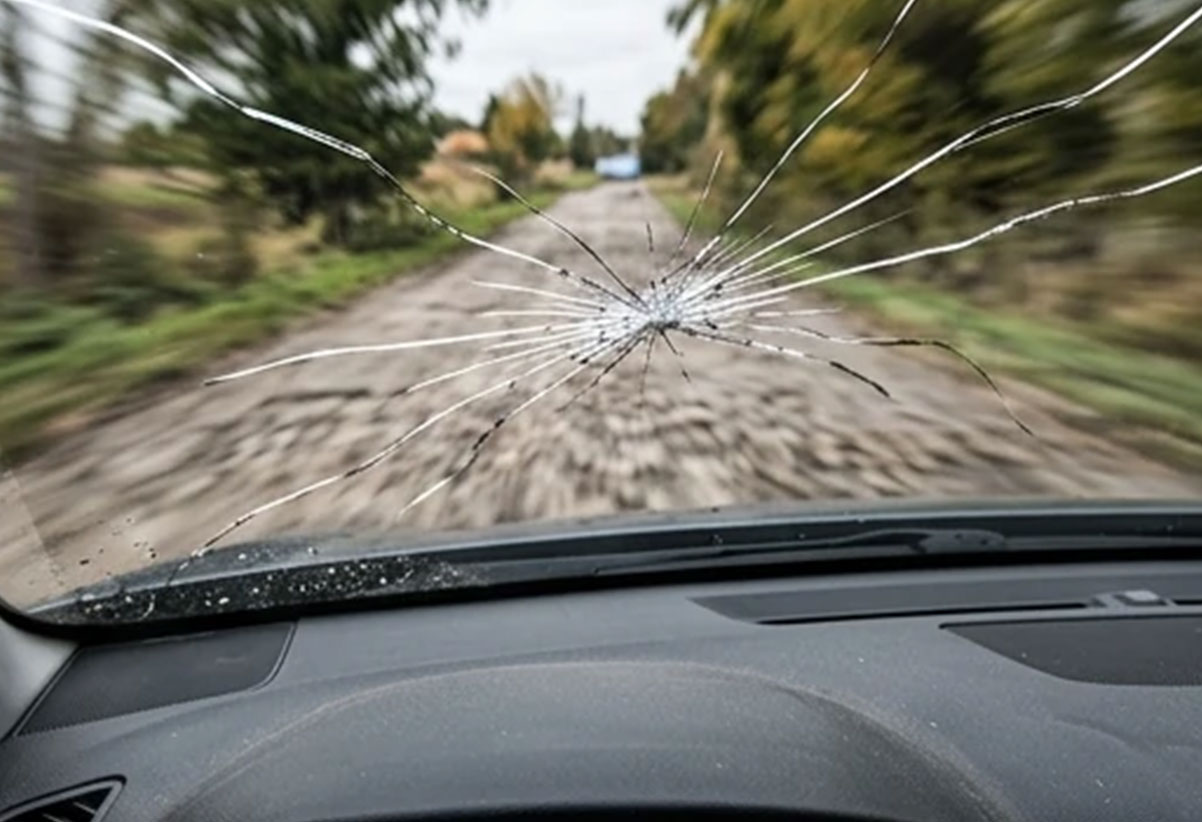
Modern windshields consist of two layers of glass with a plastic laminate layer (polyvinyl butyral or PVB) sandwiched between them. This laminated safety glass is designed to prevent shattering, but it doesn’t prevent cracking.
When a crack forms, it creates a stress concentration point. The molecular bonds in the glass are broken, and the surrounding area experiences increased stress. This stress seeks the path of least resistance, causing the crack to propagate.
The crack growth follows a principle called stress intensity factor. As the crack lengthens, the stress at its tip increases, which in turn accelerates growth—creating a self-perpetuating cycle.
Can You Slow Down Crack Spreading?
While you cannot completely stop a crack from spreading, you can slow the process:
Immediate Actions
- Apply clear packing tape over both sides of the crack to prevent moisture intrusion
- Avoid extreme temperature changes
- Park in shade or covered areas
- Don’t use defroster or air conditioning directly on the damaged area
- Drive carefully to minimize vibrations
Professional Temporary Solutions
For consultation and appointment booking, please contact:
- Windshield repair resin kits can stabilize small chips
- Professional crack filling services can slow spreading
- Clear nail polish (emergency only) can seal very small chips
Important Note: These are temporary measures only. Professional repair or replacement is the only permanent solution.
When Repair Is Possible vs. When Replacement Is Necessary
Repairable Damage
- Chips smaller than a quarter (1 inch diameter)
- Cracks shorter than 3 inches
- Damage not in the driver’s direct line of sight
- No damage to the windshield edges
- Single-layer damage only
Replacement Required
- Cracks longer than 6 inches
- Multiple cracks or complex damage patterns
- Edge cracks of any length
- Damage in the driver’s primary viewing area
- Cracks that have penetrated both glass layers
- Damage that has been spreading actively

The Cost of Waiting
Delaying windshield repair or replacement can cost you significantly:
Financial Impact
- A 50−100chiprepaircanbecomea50-100 chip repair can become a 200-500 windshield replacement
- Many insurance policies cover chip repairs with no deductible but require deductibles for replacement
- Spreading cracks may fail vehicle safety inspections
Safety Concerns
- Compromised structural integrity reduces protection in rollover accidents
- Impaired visibility increases accident risk
- Windshield contributes 30-60% of vehicle cabin strength
- Proper airbag deployment depends on windshield integrity
Legal Issues
- Driving with obstructed vision can result in traffic citations
- Failed safety inspections prevent vehicle registration
- Liability concerns in case of accidents
Professional Assessment Is Critical
Given the unpredictable nature of crack spreading, professional assessment is essential. Experienced auto glass technicians at md.glass can:
- Evaluate the exact type and severity of damage
- Predict likely spreading patterns
- Recommend repair vs. replacement based on safety standards
- Perform repairs that restore structural integrity
- Provide warranty coverage for their work
Conclusion
The speed at which a windshield crack spreads is highly variable, ranging from hours to months depending on numerous factors. Temperature fluctuations, driving conditions, moisture exposure, and crack location all play crucial roles in propagation speed.
The most important takeaway is this: any windshield damage requires immediate attention. What seems like a minor chip today could become a major safety hazard and expensive replacement tomorrow. Don’t gamble with your safety or your budget—contact a professional auto glass service like md.glass as soon as you notice any windshield damage.
Remember, your windshield is a critical safety component of your vehicle, not just a piece of glass. Treating damage promptly protects you, your passengers, and your investment in your vehicle.